

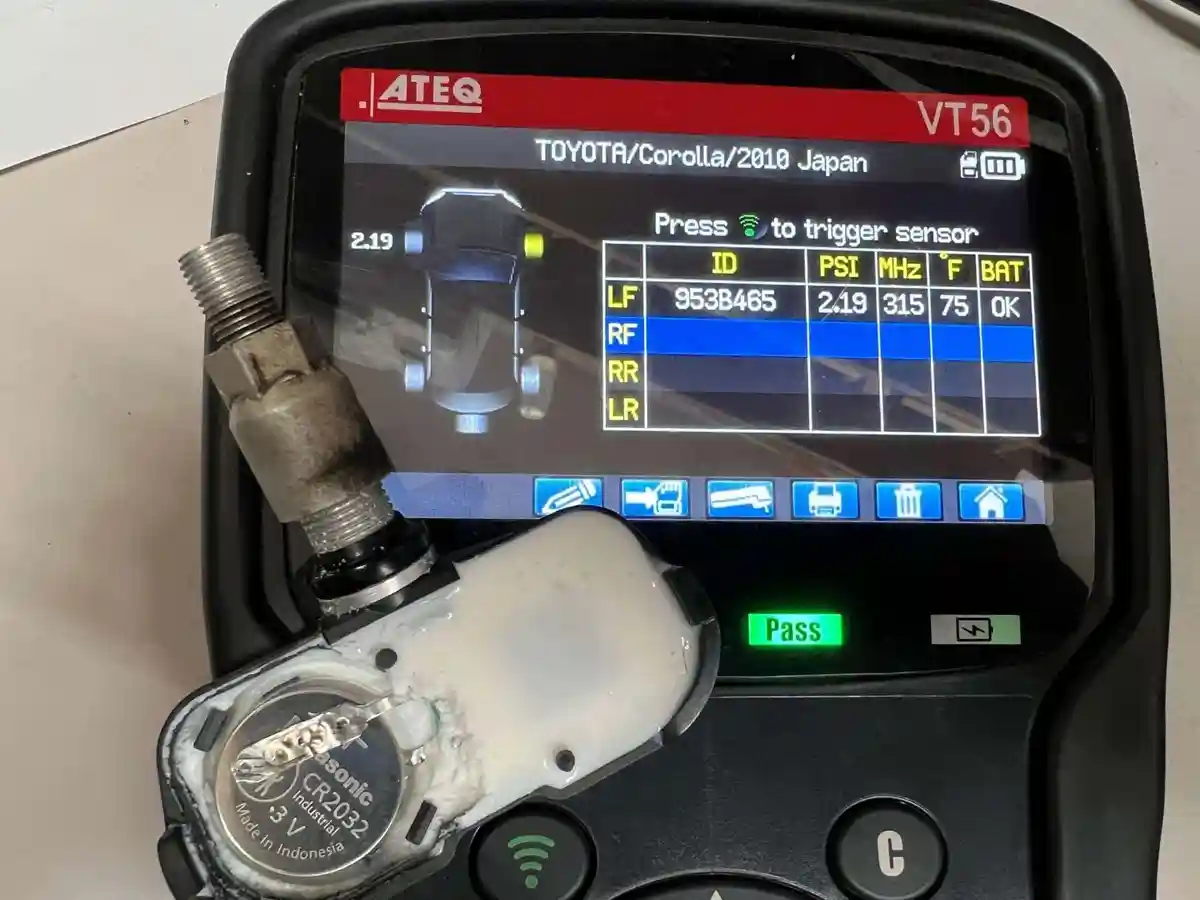
When the battery of your Tire Pressure Monitoring System (TPMS) dies, the consequences can be unexpected and troublesome. Imagine cruising on the highway, unaware that one of your tires has dangerously low pressure because the TPMS failed to alert you. This small oversight can lead to inefficient fuel usage, increased tire wear, and even potential safety hazards.
The TPMS, introduced in the late 1990s, serves a critical role in maintaining vehicle safety. Upon battery failure, the system loses its ability to monitor tire pressure, which can be a concern for frequent travelers and long-haul drivers. Statistically, under-inflated tires cause 1% of all highway accidents, making it imperative to address TPMS battery issues promptly for optimal vehicle performance and safety.
When a TPMS battery dies, the Tire Pressure Monitoring System stops functioning, resulting in no alerts for low tire pressure. This can lead to unsafe driving conditions due to unnoticed under-inflated tires, increased fuel consumption, and uneven tire wear. Regular maintenance and prompt sensor replacement are crucial.
What Happens When TPMS Battery Dies?
When the TPMS battery dies, your car’s tire pressure monitoring system will stop working. This means you will no longer receive alerts if your tire pressure gets too low. Without these alerts, you might not notice a flat or under-inflated tire, which can be dangerous. Driving on under-inflated tires can increase fuel consumption and tire wear. It also heightens the risk of tire blowouts, leading to unsafe driving conditions.
Most TPMS batteries last around five to ten years. When they die, a warning light on your dashboard might remain illuminated. This indicates the system is no longer monitoring your tire pressure effectively. You should get the TPMS sensor checked as soon as possible. Neglecting this issue can result in costly repairs or even accidents.
Replacing a TPMS battery isn’t always straightforward. Often, you need to replace the entire TPMS sensor. This can be done at your local mechanic or dealership. Properly functioning sensors ensure your tires maintain the correct pressure. Regular maintenance checks can prevent unexpected sensor failures.
Maintaining the recommended tire pressure has several benefits. Tires perform better, last longer, and improve fuel efficiency. Plus, proper tire pressure keeps your vehicle safe on the road. Remember to check your tire pressure monthly. This simple step can alert you to potential TPMS issues before they become serious problems.
4 Reasons TPMS Light ON But Tires Are Fine
Immediate Effects on Vehicle Alert Systems
When the TPMS battery dies, the most immediate effect is the failure of the tire alert system. The dashboard light may stay on, signaling a problem. This light usually stays active until the issue is resolved. Without a functioning TPMS, you have to rely on manual tire checks. This can be less reliable, especially for busy drivers.
A dead TPMS battery can lead to more than just a warning light. Some vehicles might show error messages on the central display. These messages can be confusing and distracting. In some cases, other vehicle alert systems might also be affected. This can make it harder to spot actual issues with your vehicle.
Driving with a non-functional TPMS can pose serious safety risks. You won’t receive automatic alerts for low tire pressure. This means you could drive for long periods without realizing your tires are under-inflated. Under-inflated tires can affect your car’s handling. This can result in longer braking distances and poor traction.
It’s crucial to address a dead TPMS battery promptly. Regular maintenance checks can help identify issues before they become problematic. Keeping your TPMS functional ensures your vehicle remains safe to drive. Here’s a quick look at why maintaining TPMS is essential:
- Alerts you about low tire pressure
- Helps improve fuel efficiency
- Enhances vehicle handling and stability
By addressing TPMS issues early, you can avoid more significant problems down the road.
Understanding Tire Pressure Monitoring Systems (TPMS)
The Tire Pressure Monitoring System (TPMS) is an essential feature in modern vehicles. Its main job is to check the air pressure inside your tires. If the pressure gets too low or too high, the TPMS sends an alert to the dashboard. This helps drivers maintain the correct tire pressure, which is vital for safety and performance. Keeping tires at the right pressure also improves fuel efficiency.
There are two types of TPMS: direct and indirect. Direct TPMS uses sensors inside each tire to measure pressure directly. These sensors send real-time data to your car’s computer. Indirect TPMS, on the other hand, uses the car’s ABS brakes to estimate tire pressure. Both systems have their pros and cons but serve the same purpose of keeping tires properly inflated.
Maintaining a functional TPMS is crucial for several reasons. It offers more than just convenience; it enhances road safety. Flat or under-inflated tires can lead to accidents, especially at high speeds. Proper tire inflation also extends the life of your tires. By avoiding uneven wear, you save money on tire replacements.
Knowing how the TPMS works can help you act quickly when the system warns you about tire pressure issues. Regular maintenance checks can identify failing sensors or low tire pressure. Here’s a quick guide on what you should monitor:
- Check TPMS warning lights
- Monitor tire pressure regularly
- Ensure timely sensor replacements
Understanding and maintaining your TPMS can greatly enhance your driving experience and keep you safe on the road.
Typical Lifespan of a TPMS Battery
Most TPMS batteries are designed to last between five to ten years. However, this lifespan can vary depending on several factors. The type of vehicle, driving conditions, and how often you drive can all impact battery life. For instance, extreme temperatures can shorten the battery’s lifespan. Frequent driving can also drain the battery faster.
The mileage on your vehicle can also affect the TPMS battery. Generally, these batteries are expected to last for about 100,000 miles. When your car approaches this mileage, it’s advisable to check the TPMS sensors. Regular maintenance can help prevent unexpected failures. Knowing when to replace the battery can save you from potential hazards.
Replacing a TPMS battery isn’t something you can do easily at home. Often, the entire sensor must be replaced. This task usually requires special tools and expertise. Visiting a trained mechanic or dealership is the best option. They can ensure the new sensor is installed correctly.
It’s important to monitor the condition of your TPMS batteries regularly. A simple check can let you know if they are nearing the end of their life. This helps you plan for replacements. Here’s a quick reference for checking and maintaining your TPMS:
- Check sensor battery life during routine maintenance
- Watch for dashboard alerts indicating low battery
- Replace sensors approximately every five to ten years or 100,000 miles
These steps can help ensure your TPMS functions properly.
Proactive maintenance can avoid sudden TPMS failures. By keeping your sensors in good condition, you ensure safer driving. Properly working TPMS can alert you to issues before they become serious. This can extend the life of your tires and improve fuel efficiency. Keeping track of your TPMS battery life is a small step that offers big benefits.
Regular check-ups can help identify when a TPMS battery is dying. Without a functional TPMS, drivers miss out on crucial tire pressure alerts. These alerts are essential for maintaining road safety and vehicle performance. Keeping the TPMS system well-maintained can save both time and money. It’s one of the simplest yet most effective ways to ensure your vehicle remains reliable.
Signs of a Failing TPMS Battery
One of the first signs of a failing TPMS battery is a persistent warning light on your dashboard. This light might stay on even after you’ve checked and adjusted your tire pressure. If this happens, the battery in one or more sensors may be failing. A weak battery can cause sporadic alerts that seem inaccurate. Ignoring these signs can lead to overlooked issues with tire pressure.
Another indication is an erratic or intermittent alert signal. Sometimes the TPMS warning might appear and disappear without any real change in tire pressure. This behavior is often due to a dying battery in the sensor. You may also notice the alerts happening more frequently or staying on longer. Recognizing these patterns helps diagnose the problem early.
Difficulty in resetting the TPMS light after inflating your tires can be another sign. Normally, once correct tire pressure is restored, the light should go off. If it persists, the sensor battery could be nearing its end. Ensuring the system resets properly is crucial. Don’t ignore the persistent light; it could signal the need for a new sensor battery.
In some cases, you might find a sensor fails to send any signals at all. This complete loss of communication is a clear indicator of a dead battery. Without any alerts, you’re left to manually check tire pressure. This lack of automatic monitoring can be particularly risky for long trips or frequent drivers. Keeping spare sensors handy can be a lifesaver in such instances.
Here’s a list to summarize signs of a failing TPMS battery:
- Persistent warning light
- Erratic alert signals
- Difficulty in resetting TPMS light
- Complete loss of signal from sensor
Recognizing these signs early can help you take timely action.
Safety Concerns with a Non-Functional TPMS
A non-functional TPMS can significantly jeopardize your safety on the road. Without proper tire pressure monitoring, you may drive unknowingly on under-inflated tires. This increases the risk of tire blowouts, especially at high speeds. Blowouts can lead to loss of vehicle control. Such scenarios are particularly dangerous on busy highways.
Driving with low tire pressure affects vehicle handling. It lengthens braking distances and reduces traction, especially in wet or slippery conditions. These issues can make it difficult to maneuver safely. A fully operative TPMS helps mitigate these risks. The system alerts you to resolve tire pressure problems before they escalate.
Under-inflated tires contribute to uneven tire wear. This decreases the lifespan of the tires and can lead to unexpected failures. Regular TPMS alerts help you maintain even pressure, promoting longer tire life. Replacing tires more frequently can become costly. Monitoring tire pressure can save you both time and money in the long run.
Inadequate tire pressure can also impact fuel efficiency. Low tire pressure increases rolling resistance, meaning your engine has to work harder. This leads to higher fuel consumption and extra costs at the pump. A working TPMS ensures optimal tire pressure for better fuel mileage. Keeping an eye on tire pressure helps reduce unnecessary expenses.
Here are some critical safety concerns with a non-functional TPMS:
- Increased risk of tire blowouts
- Poor vehicle handling and longer braking distances
- Uneven tire wear and frequent replacements
- Lower fuel efficiency and higher costs
Addressing TPMS issues promptly can greatly enhance your driving safety and comfort.
The Impact on Tire Performance and Maintenance
Proper tire pressure is crucial for optimal tire performance. When your TPMS isn’t working, you might not know if your tires are under-inflated. This can affect how your tires grip the road. Poor grip means less control, especially in bad weather. Ensuring correct tire pressure helps maintain traction and safety.
Under-inflation leads to uneven tire wear. It puts more stress on the edges of the tires while the center remains untouched. Uneven wear reduces the lifespan of your tires, requiring frequent replacements. A functioning TPMS warns you before this happens. Regular alerts help keep tire wear even and extend their usable life.
A well-maintained TPMS also aids in better fuel efficiency. Properly inflated tires reduce rolling resistance, making it easier for the car to move. This lowers fuel consumption and saves money at gas stations. Without TPMS alerts, keeping track of optimal tire pressure becomes challenging. Improved fuel efficiency benefits both your wallet and the environment.
Regular maintenance checks should include monitoring the condition of your TPMS sensors. Faulty sensors may lead to incorrect readings or no readings at all. Replacing them when necessary ensures accurate data on tire pressure levels. Here’s a simple checklist for maintaining optimal tire performance:
- Check tire pressure monthly
- Rotate tires every 6,000 to 8,000 miles
- Inspect tires for uneven wear and damage
Following these steps helps keep your tires in top condition and maximizes their durability.
Inefficient TPMS systems impact long-term vehicle maintenance costs as well. Neglecting it can result in expensive repairs down the line. Consistently monitoring and maintaining correct tire pressure ensures overall vehicle health. A robust TPMS system not only enhances driving comfort but also minimizes unexpected expenses over time. Taking care of your vehicle’s TPMS can save you from larger issues in future.
Steps to Take When Your TPMS Battery Dies
When your TPMS battery dies, the first step is to identify which sensor is not working. You can often find this information in your vehicle’s diagnostic system. If not, a mechanic can help pinpoint the exact sensor that needs attention. Knowing which sensor has failed makes the next steps easier. It also ensures you only replace what’s necessary.
Once you know which sensor is affected, you need to decide whether to replace the battery or the entire sensor. In many cases, the whole sensor must be replaced since the battery is sealed inside. This is best done by a professional. They have the tools and expertise required to handle the replacement correctly. DIY attempts might not be successful and could lead to further issues.
After replacement, it’s important to reset the TPMS system. Some vehicles require a specific reset procedure, which can usually be found in the owner’s manual. Others might automatically recalibrate the new sensor. Ensuring the system is reset properly guarantees accurate tire pressure readings. Incorrect resets can cause persistent warning lights or false alerts.
While waiting for sensor replacement, regularly check tire pressure manually. This helps maintain safety until the TPMS is fully functional again. Here’s a quick reference for manual checks:
- Use a reliable tire pressure gauge
- Refer to your vehicle’s manual for proper tire pressure levels
- Check tires when they are cold, ideally before driving
Regular checks can prevent unsafe driving conditions.
Once the TPMS is restored, maintain a routine checkup schedule. Regular maintenance can catch potential problems early. Keep an eye on dashboard alerts and address them promptly. This proactive approach ensures the longevity and functionality of your TPMS. A well-maintained TPMS enhances overall vehicle safety and performance.
How to Replace a TPMS Battery
Replacing a TPMS battery typically means replacing the entire sensor, as most batteries are sealed inside the unit. Start by identifying which sensor has the failing battery. This information can usually be found in the vehicle’s diagnostic system. A mechanic can also help pinpoint the faulty sensor. Knowing the exact location makes the replacement process smoother.
To replace the TPMS sensor, you’ll need to remove the tire from the wheel. This is a task best done by professionals due to the tools and expertise required. The wheel will need to be unmounted, and the old sensor removed. The new sensor is then installed in the same location. The tire is remounted onto the wheel, and the wheel put back on the vehicle.
After installing the new sensor, the TPMS system needs to be reset to recognize the new sensor. This procedure varies by vehicle make and model. Check your owner’s manual for specific instructions. Some vehicles may require driving for a short distance to activate the new sensor. Others might need a manual reset through the onboard computer system.
Here’s a general outline of the sensor replacement process:
- Identify the faulty sensor
- Remove the tire from the wheel
- Replace the old sensor with a new one
- Remount the tire and wheel
- Reset the TPMS system
Following these steps ensures your TPMS continues to function properly.
Finally, regularly check your TPMS sensors even after replacement. This helps catch any additional issues early. A well-maintained TPMS system ensures accurate tire pressure monitoring. It also enhances road safety and extends tire life. Staying proactive about TPMS maintenance can save you time and money in the long run.
Preventive Measures to Extend TPMS Battery Life
Taking preventive steps can greatly help extend the life of your TPMS battery. One of the simplest ways is to regularly check your tire pressure. Consistently maintaining the correct pressure reduces the strain on the TPMS sensors. This helps the sensors and their batteries last longer. Routine checks ensure your system is always in tip-top shape.
Avoid extreme temperatures as much as possible. Both intense heat and cold can shorten TPMS battery life. If you live in an area with harsh weather conditions, park your car in a garage or shaded area. This protective measure can prevent unnecessary wear and tear on your sensors. Keeping your vehicle out of direct sunlight can also help.
Regular tire rotations and alignments contribute to sensor longevity. Properly aligned and balanced tires cause less stress on TPMS sensors. This promotes even tire wear, reducing the load on each tire’s sensor. Scheduling regular maintenance check-ups for your vehicle can catch potential issues early. This keeps your entire TPMS functioning smoothly.
Another tip is to avoid driving on rough or unpaved roads whenever possible. Rough terrain can shake the sensors and wear them out faster. If you must drive on such surfaces, do so slowly and carefully. This reduces the impact on the sensors and their batteries. Gentle driving habits can extend the life of various vehicle components, including TPMS.
Here are some key preventive measures to remember:
- Regularly check and maintain tire pressure
- Protect your vehicle from extreme temperatures
- Schedule regular tire rotations and alignments
- Avoid rough or unpaved roads
Following these tips can help you get the most out of your TPMS system and its battery life.
Legal and Insurance Implications of Driving with a Dead TPMS Battery
Driving with a dead TPMS battery can have legal ramifications. In some areas, it’s required by law to have a functioning TPMS. Ignoring this law may result in fines or penalties. Regular vehicle inspections might also flag this as a problem. Keeping your TPMS functional helps you stay compliant with regulations.
Insurance companies may also take issue with a non-functional TPMS. If you’re involved in an accident and it’s found that your TPMS was not working, your claim could be affected. Insurers might argue that driving without a proper TPMS contributed to the accident. This could lead to reduced or denied claims. Ensuring your TPMS works can help avoid these complications.
Some insurance policies offer discounts for having a working TPMS. This is because a functional TPMS adds to road safety. Proper tire pressure reduces the likelihood of accidents, making you a lower risk driver. Speak with your insurance provider to see if you qualify for any related discounts. Maintaining your TPMS can save you money on your premiums.
Here are some possible legal and insurance implications:
- Fines for non-compliance with vehicle laws
- Impact on insurance claims if TPMS is found non-functional post-accident
- Potential loss of insurance discounts related to vehicle safety features
Staying aware of these implications can help you make informed decisions about TPMS maintenance.
Failing to maintain your TPMS can also impact your vehicle’s resale value. Buyers expect all systems to be in working order. A non-functional TPMS might lead them to believe there are other issues. Keeping it operational not only avoids legal issues but also helps maintain your car’s value. Proper maintenance ensures your vehicle remains desirable to future buyers.

Frequently Asked Questions
Here we address some common concerns about TPMS batteries and their impact on vehicle performance. These FAQs aim to provide clear and concise information to help you maintain a functional TPMS system.
A persistent warning light on your dashboard is one of the first signs of a failing TPMS battery. Even after adjusting tire pressure, this light may stay on, indicating battery weaknesses. Erratic alert signals and difficulty resetting the system are also common indicators of a battery nearing its end.
If you notice that the TPMS alert is turning on and off without any change in tire pressure, this erratic behavior often points to a low battery. Regular diagnostic checks can help identify and address these issues before they impact your driving safety.
While you can technically drive with a dead TPMS battery, it’s not recommended for safety reasons. Without functional TPMS sensors, you’ll miss warnings about low tire pressure. This unawareness increases the risk of tire blowouts, makes handling difficult, and can result in poor fuel efficiency.
Driving without TPMS alerts forces you to check tire pressure manually. This is less reliable and often less frequent, making it easier to overlook problems that could lead to dangerous situations on the road.
Replacing a TPMS battery usually involves replacing the entire sensor since the battery is sealed inside. This is a complex task and often requires professional tools and expertise. Most drivers prefer having a mechanic handle this replacement to ensure it’s done correctly.
After the new sensor is installed, the TPMS system needs to be reset. This procedure varies by vehicle and is typically outlined in the owner’s manual. The mechanic can also assist with this step, ensuring your system functions properly.
TPMS batteries typically last between five to ten years, depending on driving conditions and mileage. Extreme temperatures and frequent use can shorten this lifespan. Regular maintenance check-ups can help identify when a replacement is needed.
It’s advisable to start monitoring your TPMS sensors as your vehicle approaches 100,000 miles. Replacing batteries preemptively can save you from unexpected failures and potential safety risks on the road.
In some areas, it’s legally required to have a functional TPMS in your vehicle. Failing to comply can result in fines or penalties. Regular vehicle inspections might also catch this issue, requiring immediate attention to stay compliant with local laws.
Insurance implications are also significant. A non-functional TPMS might affect your claims if you’re involved in an accident. Ensure your TPMS is always operational to avoid legal and financial complications.
5 Things You Didnt Know About TPMS
Conclusion
Maintaining a functional TPMS is crucial for your vehicle’s safety and performance. Regular checks and timely replacements ensure you are always informed about your tire pressure. This helps avoid accidents, improves fuel efficiency, and extends tire life.
Understanding the importance and functionality of your TPMS can significantly enhance your driving experience. Addressing issues like a dead battery promptly keeps you compliant with laws and insurance policies. Stay proactive, and keep your TPMS in top condition for a safer journey.