

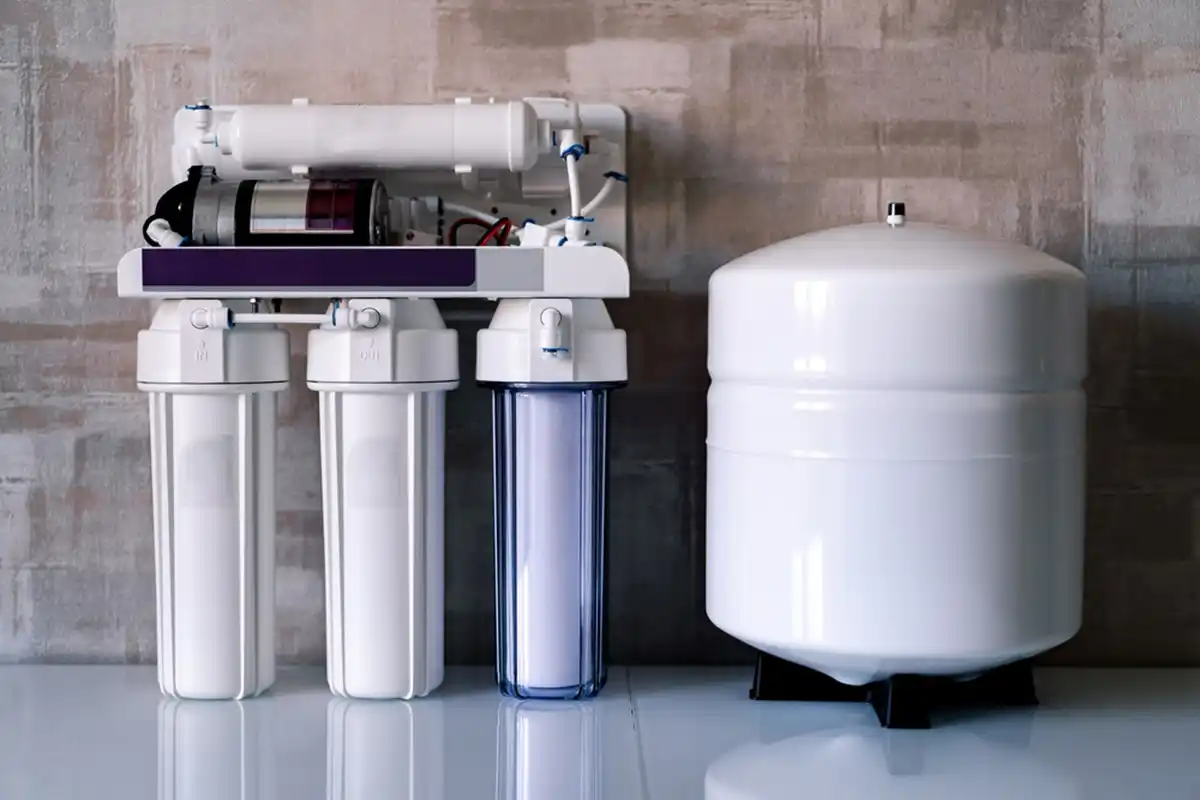
Water is essential to life, yet not all water is created equal. Contaminants in tap water can raise serious health concerns, prompting many to seek cleaner alternatives. Reverse osmosis systems have emerged as a popular solution for purifying drinking water, leading some to question whether the investment is truly justified.
Reverse osmosis technology has been around since the 1950s but has gained significant traction in recent decades. The system works by pushing water through a semi-permeable membrane, effectively removing up to 99% of contaminants. According to the EPA, this method is one of the most effective ways to provide safe drinking water, making it a compelling choice for those prioritizing health and safety.
A reverse osmosis system is worth it for experts seeking high-quality water filtration. It efficiently removes contaminants, improves taste, and can be cost-effective over time by reducing bottled water expenses. Its low maintenance needs and ability to ensure safe drinking water make it a valuable investment for any professional setting.

Exploring the Benefits of Reverse Osmosis Systems
Reverse osmosis systems provide households with clean, safe drinking water. These systems are highly effective at removing contaminants, including heavy metals, bacteria, and viruses. By filtering out impurities, they ensure that the water consumed is healthier and safer for the whole family.
One of the primary benefits is the improvement in taste and odor of the water. Tap water can often have a metallic or chlorine-like taste, which is unpleasant to drink. Reverse osmosis water tastes fresh and pure, making it more enjoyable to consume.
Additionally, investing in a reverse osmosis system can be cost-effective over time. While the initial setup might seem expensive, it eliminates the need for bottled water. This can save money and reduce plastic waste, making it an environmentally friendly choice.
Another significant advantage is the system’s low maintenance. Reverse osmosis units require minimal upkeep, with filters needing replacement only once or twice a year. This ease of maintenance makes them a convenient option for busy households.
Should you get Reverse Osmosis for your Whole House?
How It Purifies Water
Reverse osmosis purifies water by using a semi-permeable membrane. This membrane allows water molecules to pass while blocking contaminants. The process starts by applying pressure to push the water through the membrane.
During this process, impurities like heavy metals, bacteria, and chemicals are filtered out. These contaminants are then flushed away, leaving clean water behind. The system’s precision makes it highly effective.
Reverse osmosis also includes several pre-filtration stages. These stages remove larger particles, like sediment and chlorine. Pre-filtration helps extend the life of the main membrane.
Finally, the purified water is collected in a storage tank. When you turn on the tap, the clean water is ready for use. This multi-step process ensures the highest level of water purity and safety.
Cost-Effectiveness Over Time
Initially, reverse osmosis systems can seem expensive due to the upfront costs. However, these systems save money in the long run. The cost of buying bottled water regularly adds up quickly.
When compared to the price of bottled water, a reverse osmosis system is more economical over time. This system reduces the need for purchasing bottled water, offering significant savings. Additionally, it minimizes plastic waste, benefiting the environment.
The filters in reverse osmosis systems are another cost factor. They usually need replacement once or twice a year. Even with this maintenance, the total annual expense is less than the cost of continuously buying bottled water.
Households that switch to reverse osmosis systems often notice the financial benefits. The initial investment is outweighed by the long-term savings. This makes these systems a wise choice for cost-conscious families.
Impact on Taste and Impurities
One of the most noticeable benefits of reverse osmosis is the improvement in water taste. Many people find that tap water has an unpleasant flavor due to chlorine and other chemicals. Reverse osmosis removes these substances, resulting in a cleaner and fresher taste.
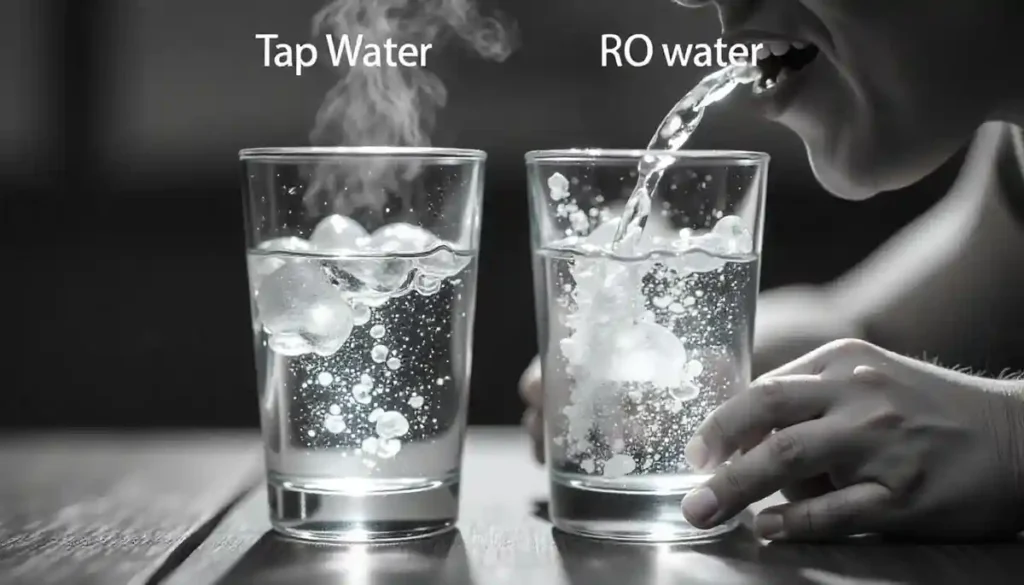
The system also effectively eliminates impurities. It filters out contaminants like lead, mercury, and arsenic. These harmful substances can make water unsafe to drink, so removing them is crucial.
The purity of water from a reverse osmosis system is often compared to bottled water. Many users report that their water tastes as clean as spring water. This can encourage more water consumption, promoting better hydration and health.
Reverse osmosis also reduces the presence of dissolved solids. This includes both organic and inorganic materials that can alter the flavor. By filtering these out, the water becomes not only safer but also more enjoyable to drink.
Another advantage is the elimination of odors. Unpleasant smells in tap water are often caused by sulfur or other chemicals. Reverse osmosis systems address this issue, resulting in odor-free water.
The impact on taste and impurities plays a significant role in the decision to use a reverse osmosis system. Clean, great-tasting water is a compelling benefit that enhances daily life. This system makes accessing high-quality water convenient and reliable.
Common Misconceptions about Reverse Osmosis Water Filtration
Many people believe that reverse osmosis systems waste a lot of water. While it’s true that some water is discarded, modern systems are more efficient. Technologies have improved, reducing the amount of water wasted during the process.
Another misconception is that reverse osmosis removes all beneficial minerals from water. In reality, it primarily targets harmful contaminants. While some minerals are removed, the health effects of this are minimal, given a balanced diet.
Some think that installing a reverse osmosis system is overly complicated and requires professional help. In fact, many systems are designed for easy installation. With clear instructions, homeowners can set up their systems without needing specialized skills.
It’s also a common belief that these systems are prohibitively expensive. While the initial cost can be high, the long-term savings on bottled water and health benefits make it a worthwhile investment. Comparing the costs over several years shows a clear financial advantage.
Lastly, there’s a notion that reverse osmosis water tastes bland. This is untrue as the system enhances water by removing bad-tasting impurities. The result is clean, crisp-tasting water that many people prefer over untreated tap water.
Comparative Analysis of Reverse Osmosis with Other Filtration Methods
When comparing reverse osmosis with other filtration methods, it’s clear that each has its own strengths. Reverse osmosis is particularly effective at removing a wide range of contaminants. This includes heavy metals, bacteria, and viruses, providing highly purified water.
On the other hand, activated carbon filters excel at removing chlorine and improving taste and odor. However, they are not as effective at eliminating certain chemicals and heavy metals. These filters are more affordable and easier to replace but don’t offer the same level of thorough purification.
Ultraviolet (UV) purification systems are another option. They use UV light to kill bacteria and viruses. While effective at sterilizing water, UV systems do not remove physical particles or chemical contaminants, making them best used in conjunction with other methods.
- Reverse Osmosis: Best for comprehensive contaminant removal.
- Activated Carbon: Ideal for taste, odor, and chlorine removal.
- UV Purification: Excellent for killing bacteria and viruses.
Some households use a multi-stage system that combines different technologies. This approach leverages the strengths of each type, offering broader protection. By doing so, you can ensure the highest water quality.
Ultimately, the choice depends on specific needs and budget. For those wanting the highest purity, reverse osmosis stands out. However, combining various methods can provide a more comprehensive solution for water filtration.
The Future of Water Purification Technology
Advancements in water purification technology continue to evolve, offering more efficient solutions. One promising development is the use of nanotechnology filters. These filters operate at a molecular level, removing even the smallest contaminants.
AI and automation are also starting to play a role in water treatment. Smart systems can monitor water quality in real-time and make adjustments automatically. This ensures consistent purity without requiring manual intervention.
Researchers are exploring new materials for filtration membranes. Graphene oxide, for example, shows potential for high-efficiency filtration with lower energy consumption. It could improve both effectiveness and sustainability in future systems.
An exciting area of innovation is portable purifiers. Devices that can easily be carried and used in emergencies or remote areas are becoming more advanced. These portable solutions provide safe drinking water when traditional infrastructure is unavailable.
- Nanotech Filters: High precision at the molecular level.
- AI-Driven Systems: Real-time monitoring and adjustment.
- Innovative Materials: Enhanced efficiency with graphene oxide.
- Portable Solutions: Safe water anywhere, anytime.
The integration of renewable energy sources is another growing trend. Solar-powered purifiers are particularly useful in regions with limited access to electricity. This combination enhances the sustainability and reach of clean water technologies.
Frequently Asked Questions
Reverse osmosis systems are popular for water purification, but many people have questions about their effectiveness and maintenance. Below, we answer some common questions to help you understand more about these systems.
A reverse osmosis system works by pushing water through a semi-permeable membrane. This membrane filters out contaminants like bacteria, viruses, and heavy metals. The purified water is then collected and stored in a tank for use.
Besides the membrane, the system includes multiple pre-filters. These pre-filters remove sediment and chlorine, protecting the main membrane. The combination of these stages ensures highly purified drinking water.
Reverse osmosis systems are highly effective at removing various contaminants. These include heavy metals like lead and mercury, as well as bacteria and viruses. The process also removes chlorine and other chemicals that affect taste and smell.
This makes reverse osmosis one of the most comprehensive water purification methods. It’s particularly useful in areas with poor water quality. By removing these impurities, it greatly improves the safety and taste of drinking water.
The filters in a reverse osmosis system need regular maintenance. Typically, pre-filters should be replaced every 6-12 months. This keeps the system running efficiently and ensures clean water.
The main membrane lasts longer, usually around 2-3 years, depending on water quality. Regular replacement of filters is essential to maintain the system’s effectiveness. Always follow the manufacturer’s recommendations for best results.
Yes, a reverse osmosis system removes both harmful contaminants and essential minerals. This includes calcium and magnesium. However, the removal of these minerals is generally not a health concern.
Most people get sufficient minerals from their diet. Additionally, some systems offer a remineralization stage. This adds beneficial minerals back into the water, enhancing its taste and nutritional value.
Installing a reverse osmosis system is often straightforward, especially with newer models. Many systems come with detailed installation guides and all necessary parts. Users with basic DIY skills can typically handle the installation.
However, professional installation is also available if needed. A professional can ensure the system is installed correctly and operates efficiently. Regardless of your choice, setting up the system is a one-time task that provides long-term benefits.
12 Questions YOU NEED to Ask, BEFORE Buying a REVERSE OSMOSIS SYSTEM
Conclusion
Reverse osmosis systems offer significant benefits for water purification, making them a valuable investment. They effectively remove a wide range of contaminants, ensuring clean and safe drinking water. For experts, the improved water quality can translate to better health and taste.
Despite initial costs, the long-term savings and low maintenance make these systems appealing. The convenience of having high-quality water readily available adds to their value. Overall, reverse osmosis systems provide a reliable solution for those prioritizing water purity and health.